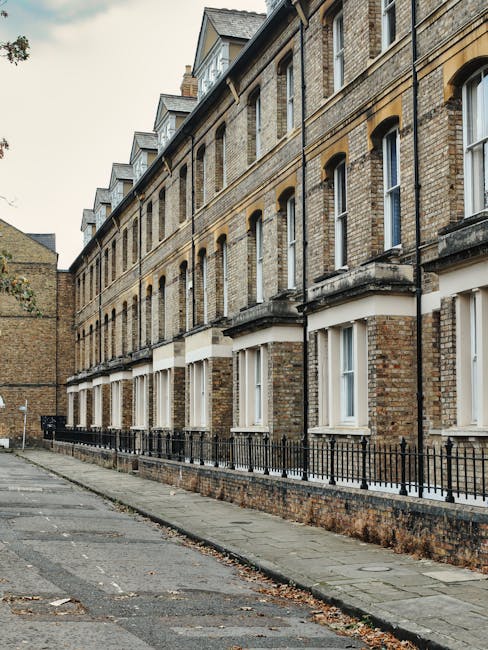
Access problems for Highbury flats and specialist cleaning fixes
Highbury flats can be a delight to live in, but they can also be a bit awkward for cleaning. Narrow stairwells, shared entrances, tight parking, lift restrictions, top-floor walk-ups, and old communal layouts all get in the way. If you have ever watched a van hover outside while someone tries to decide where to unload, you will know the feeling. It is not just inconvenient. It can affect what cleaning methods are possible, how long the visit takes, and whether delicate surfaces are even practical to tackle.
This guide looks at access problems for Highbury flats and specialist cleaning fixes in a practical, honest way. You will learn what usually causes access headaches, how experienced cleaners work around them, when specialist equipment matters, and which fixes make the biggest difference without turning the day into a mini building project.
For a broader look at service standards and how a reliable local team operates, you can also browse the company's about us page or review the health and safety policy before booking. Simple things, but useful. And truth be told, useful is what matters when a hallway is barely wide enough for a vacuum.
Why access problems for Highbury flats and specialist cleaning fixes matter
In a flat, access is never just about getting through the front door. It is about the whole route: street parking, intercoms, staircases, landing size, lift use, building rules, neighbour timings, and whether heavy or wet equipment can be moved safely. Highbury has a lot of converted homes, mansion blocks, and purpose-built flats, and that mix can create very different access conditions from one address to the next.
Why does this matter so much? Because cleaning is only as good as the setup. A technician can have the right machine and still struggle if they cannot carry it in, drain it properly, or position it without blocking a shared corridor. That slows the job down, but it can also change the result. Carpet fibres may not dry as quickly. Upholstery may need a gentler method. A hard floor might need a more compact machine rather than a large commercial unit.
It also matters for trust. Residents want to know that cleaners will not damage stair rails, scuff paintwork, trigger complaints from neighbours, or leave water by the entrance. A professional approach keeps the job calm and predictable, which is what you want in a building where people are coming and going all day.
Expert summary: access issues do not just create inconvenience; they shape the cleaning method, timing, equipment choice, and even the final finish. The best fixes are often practical, not flashy.
If your building has tighter rules for arrivals, keys, or communal spaces, it is worth checking the company's terms and conditions and accessibility statement early on. That way, everyone knows what to expect. Less guessing, less stress.
How access problems for Highbury flats and specialist cleaning fixes work
The basic idea is straightforward: the cleaner adapts the service to the building, not the other way around. In practice, that usually means a pre-visit conversation, a plan for getting equipment into the flat, and a method chosen around the space rather than around an idealised checklist.
Here is what a careful process often looks like:
- Assess the access route. Think street parking, entry code, concierge arrangements, lifts, stairs, and whether the route has sharp turns or narrow landings.
- Match the equipment to the building. Smaller extraction machines, lightweight vacuums, portable steam tools, or low-moisture methods may be more suitable than bulky kit.
- Protect the shared areas. Dust sheets, corner guards, and tidy cable routing help prevent complaints and accidental marks.
- Choose the right cleaning method. For example, deep carpet cleaning may need a lower-moisture process if drying time is limited, while some upholstery work can benefit from targeted spot treatment.
- Plan the order of work. Start with the most awkward room first, or the area closest to the entrance, so equipment movement stays controlled.
- Allow for drying and reinstatement. Good planning includes air flow, closed-off areas, and enough time before residents return to normal use.
That is the theory. The real world gets messy, of course. Someone is on a Zoom call in the flat above, the lift is being serviced, and the intercom decides to stop cooperating right when you need it. So the fixes need to be resilient. Portable, tidy, and not dependent on everything going perfectly. Rare enough, that perfect day.
For jobs with extra soil, dust, or renovation debris in common spaces, a cleaner may suggest after builders cleaning so the property is ready before the more detailed fabric or floor work begins. That sequencing can make a big difference, especially in older buildings with fine dust that seems to settle everywhere.
Key benefits and practical advantages
Specialist cleaning fixes are not only about getting around a problem. They often improve the whole experience for the resident, the building manager, and the cleaner too. That is why experienced teams do not see access as an afterthought. It is part of the job design.
- Less disruption to neighbours. Smaller, quieter equipment and smarter timing reduce corridor traffic and hallway noise.
- Lower risk of damage. Lightweight tools and protective coverings reduce the chance of scuffed paint, chipped skirting, or wet patches on communal floors.
- Better results in tight spaces. Compact tools can reach corners, landings, and awkward edges that large machines miss.
- More reliable drying. Low-moisture techniques often suit flats where windows may be limited or where air circulation is poor.
- Faster, calmer visits. When access is planned, the appointment tends to feel less rushed and more organised.
- Better fit for tenancy or handover deadlines. This is especially handy when a move-out or sale completion is tied to a specific time.
There is also a mental benefit, which people sometimes forget. A tidy, professional setup just feels better. You open the door, see covers on the floor, no splashes on the landing, no cables crossing the corridor, and immediately think: right, this is under control.
For soft furnishings and carpets, access-friendly planning can pair well with carpet cleaning, sofa cleaning, and upholstery cleaning because these services often need careful movement through the property and a sensible drying setup afterwards.
Who this is for and when it makes sense
This subject is relevant to quite a few people, not just landlords or property managers. In fact, ordinary residents often deal with the trickiest access situations because they have to live with the building layout day to day.
Typical situations
- Top-floor flats with no lift. Heavy equipment becomes a real issue, especially on warm days or in older stairwells.
- Converted houses with narrow stairs. These can be charming, but the staircase may be too tight for larger machines.
- Buildings with strict entry rules. Concierges, timed access slots, or key collection arrangements need advance planning.
- Residents with limited availability. If you can only offer a short window, the job needs to be efficient and low-fuss.
- Tenants nearing a checkout date. End-of-tenancy work often needs reliable timing and a method that dries quickly.
- Flats after decorating or repairs. Dust, residue, and paint specks can be difficult to remove cleanly without the right setup.
It also makes sense if you are the person usually stuck between practical needs and building rules. You know the type: the cleaner is booked, the landlord wants a good result, the neighbour wants silence, and the lift engineer is due at some point "this morning". Not exactly a dream combo.
If the visit is likely to involve multiple service areas, such as floors plus fabrics plus windows, it may be worth using a broader provider rather than treating each job separately. Services like deep cleaning, window cleaning, and one-off cleaning can be coordinated so the access plan is built once rather than repeated three different times.
Step-by-step guidance
If you want the process to run smoothly, the best thing you can do is make access planning part of the booking. It sounds basic, but it saves a lot of back-and-forth later.
- Describe the building clearly. Mention floors, lifts, stair access, parking restrictions, concierge hours, and any codes or keys required.
- Explain the items to be cleaned. A hallway carpet is very different from a delicate sofa or a hard floor with old finish.
- Flag awkward details early. Tight turns, fragile surfaces, low ceilings, or limited drying space should not be discovered on arrival.
- Ask which method fits the flat. A good cleaner should be able to explain whether they will use extraction, low-moisture cleaning, hand tools, or a staged approach.
- Confirm the route for equipment. Agree where items should be unloaded, where they should be placed, and how shared areas will be protected.
- Prepare the flat. Clear small items, move what you can safely move, and leave access to water, sockets, and the work area.
- Plan for drying. Ask how long you should leave carpets, rugs, or upholstery before normal use resumes.
A practical example helps here. Imagine a second-floor flat with one narrow staircase, a hallway runner, and a fabric sofa in the living room. A standard large machine might be awkward. A compact setup, with targeted pre-treatment and careful manoeuvring, will usually be far less stressful and often gives a cleaner finish in the end.
For general service planning, payment clarity, and what happens if conditions change on the day, the pages on pricing and quotes and payment and security are worth a quick read before you commit. Not glamorous, but wise.
Expert tips for better results
Here are the little things that tend to separate a decent job from a smooth one. None of them are complicated, but they do matter.
- Book with access in mind, not just cleaning type. Two similar flats can need very different setups.
- Use low-moisture methods where possible. In flats with limited ventilation, less water often means fewer drying headaches.
- Protect the route before the machine comes out. It is easier to lay covers than to explain a mark after the fact.
- Work from the most awkward room outward. That way, you are not carrying equipment back and forth once the floor is damp.
- Schedule around building quiet hours. Early starts can be fine in theory and a nightmare in practice if the walls are thin. You know how it is.
- Ask for the method in plain English. If a provider cannot explain what they are doing, that is a small warning sign.
One small but useful observation: in older Highbury buildings, dust can cling to stair edges and skirting boards in a way that makes the place look dirtier than it is. A careful clean of the route before the main room work often makes the whole job feel more thorough. It is not just the flat itself; it is the path to it.
For homes, a qualified team may also suggest supporting services such as domestic cleaning or house cleaning when access is complicated and the job is easier to handle in stages rather than in one big sweep.
Common mistakes to avoid
Most access problems become bigger because someone assumed they would sort themselves out. They rarely do.
- Not mentioning stairs, lifts, or codes until the appointment day. This is the classic one, and it wastes time fast.
- Choosing equipment before checking the route. Big machines are excellent until the landing turns into a bottleneck.
- Ignoring drying conditions. A damp flat with poor airflow can leave fabrics smelling musty, even after a decent clean.
- Failing to protect common areas. Neighbour relations matter. One wet footprint in the hallway can create a very long memory.
- Trying to clean everything in one go. In difficult-access flats, staged cleaning often works better and looks more polished.
- Assuming every service uses the same process. Carpet, rug, sofa, and hard floor cleaning all have different handling needs.
Another mistake is over-cleaning delicate surfaces out of anxiety. It happens. People see a stain, panic a bit, and then scrub harder than they should. That can leave rings, fraying, or dull patches. Better to treat the material properly than attack it with enthusiasm. Enthusiasm is nice. On upholstery, it can be a menace.
Tools, resources and recommendations
Specialist fixes usually rely on the right tools more than brute force. The exact kit will vary, but in access-restricted flats, the following tends to help most:
| Tool or approach | Best use | Why it helps in flats |
|---|---|---|
| Compact extraction machine | Carpets and some soft furnishings | Easier to carry through stairwells and less intrusive in small rooms |
| Low-moisture cleaning method | Busy flats or limited ventilation | Speeds drying and reduces the risk of oversaturation |
| Hand tools and spot applicators | Edges, corners, and delicate areas | Useful where large heads cannot reach |
| Protective sheets and corner guards | Shared hallways and entrances | Prevents marks and keeps the building tidy |
| Airflow planning | Drying after wet cleaning | Important where windows are limited or the flat is warm and enclosed |
As for support pages, the most useful ones are usually the straightforward, unglamorous bits: cleaning company information, cleaners, and cleaner. They help set expectations about who is coming into the building and how the service is organised.
It can also help to check insurance and safety if the building is sensitive about communal areas. That reassurance goes a long way when there are shared stairs, communal carpets, or visible fixtures on the route in.
Law, compliance, standards and best practice
This is where a careful tone matters. Access and cleaning in flats can touch on building rules, safety, and resident privacy, but the exact obligations depend on the property, the contract, and the circumstances. It is sensible to treat this as a best-practice area rather than a one-size-fits-all legal checklist.
In general UK practice, a good provider should work in a way that reduces risk to people and property. That means sensible manual handling, keeping routes clear, avoiding slip hazards, and using cleaning chemicals responsibly. If a building has a management company or house rules, those should be followed too.
Privacy also matters. In flats, cleaners are often walking through common spaces where residents can see and hear what is going on. Professional conduct, quiet communication, and respect for private areas are part of the service, not an optional extra.
For customers who care about responsible operations, the company's recycling and sustainability information and privacy policy can be useful background reading. And if a booking ever needs to be escalated, the complaints procedure gives you a sensible route for raising concerns. Nobody enjoys needing that page, but it is good to know it exists.
Best practice, in plain English, means this: prepare well, communicate clearly, protect the building, choose the right method, and leave the place better than you found it. Simple, really. Not always easy, but simple.
Options and comparison table
Different access situations call for different cleaning approaches. Here is a simple comparison that may help you decide what suits your flat best.
| Approach | Works well when | Potential downside | Best fit |
|---|---|---|---|
| Standard full-equipment clean | Access is easy and parking is simple | Can be awkward in narrow stairwells | Larger flats, straightforward buildings |
| Compact specialist clean | Stairs, doors, or corridors are tight | May take more care and planning | Converted houses, upper floors, small landings |
| Low-moisture treatment | Drying time is limited | May not suit every heavy soil issue | Occupied flats, limited ventilation |
| Staged cleaning visit | Several items or rooms need attention | Requires better scheduling | End-of-tenancy, deep cleans, mixed surfaces |
There is no single winner here. The right choice depends on the building, the material, the time available, and the amount of movement the cleaners can realistically manage. If you are unsure, ask for a clear explanation of why a method is being recommended rather than simply accepting the first option offered.
Case study or real-world example
Here is a realistic example from the kind of situation that comes up often in Highbury. A tenant in a second-floor flat wanted the living room carpet cleaned before moving out. The staircase was narrow, the front door opened onto a shared hallway, and there was no lift. The sofa also had to stay in the room until collection day, so access was cramped. Not ideal. Not disastrous either.
The cleaner called ahead, asked about parking and entry codes, then arrived with a compact machine instead of a heavier set-up. Protective covers were placed through the shared route, the room was cleaned first near the entrance to keep movement controlled, and the sofa was treated with targeted spotting rather than a broad soak. The carpet dried within a sensible window because the method used less moisture and the flat's windows were opened at the right stage.
What made the difference? Planning, really. No miracle product. No dramatic technique. Just a method shaped around the building. The tenant got a cleaner result, the hallway stayed tidy, and the appointment felt calm rather than rushed. That calm is worth a lot when a move-out is already stressful enough.
If a property has stubborn residues after renovation or decorating, some jobs may need a more robust reset first, such as deep cleaning or one-off cleaning, before the final cosmetic details are tackled. It is often a better sequence than trying to polish the final result too early.
Practical checklist
Use this before booking, or even on the morning of the job if you want to avoid last-minute surprises.
- Confirm the flat number, floor level, and whether there is a lift.
- Check parking options and any loading restrictions nearby.
- Share entry instructions, buzz codes, and concierge rules.
- Tell the cleaner about narrow stairs, tight corners, or fragile communal areas.
- List the exact items to be cleaned: carpet, rug, sofa, upholstery, hard floor, windows, or a mix.
- Ask which method will be used and how much drying time to expect.
- Remove small clutter and personal valuables from the work area.
- Warn neighbours if access or noise could affect shared spaces.
- Protect flooring and walls on the access route where needed.
- Make sure someone can answer the door or provide access at the agreed time.
Quick takeaway: if you get the access details right, the cleaning job becomes much easier to judge, manage, and finish well. That part really does pull the whole service together.
When a building is complicated, a provider with clear communication and practical planning usually saves you more stress than a cheaper option that improvises on the day. If you want to compare service details, the pages for pricing and quotes and contact us are the sensible place to start.
Get a free quote today and see how much you can save.
Conclusion
Access problems in Highbury flats are common enough to plan for, but they do not have to derail a cleaning appointment. With the right preparation, a specialist approach can work around staircases, shared hallways, parking limits, and awkward layouts without making a fuss of the whole building.
The main lesson is simple: access shapes the method. Once you accept that, the rest becomes much easier to solve. Choose compact tools where needed, protect communal areas, allow realistic drying time, and keep communication clear from the start. That combination tends to produce a better result than forcing a standard process into a difficult space.
And in a place where everyone is juggling keys, timings, and the occasional stubborn stairwell, a calm, well-planned clean can feel like a small relief. Sometimes that is enough. Sometimes that is exactly what people need.
Frequently Asked Questions
What are the most common access problems in Highbury flats?
The most common issues are narrow staircases, no lift, limited parking, entry codes, tight landings, and shared corridors that need extra care. Converted buildings can be especially awkward because the access route is not always built for larger cleaning equipment.
How do cleaners deal with narrow stairwells in flats?
They usually use lighter equipment, split the job into stages, and protect the access route with covers or guards. In some cases, they will switch to a low-moisture method so the equipment is easier to move and the drying time is more manageable.
Can carpet cleaning still be done if there is no lift?
Yes, often it can. The key is to use equipment that can be carried safely and to plan the route in advance. If the property is on a higher floor, the cleaner may choose a compact machine rather than a larger commercial setup.
What should I tell a cleaner before they arrive at my flat?
Tell them about the floor level, stairs, lift access, parking, entry instructions, and any awkward corners or fragile communal areas. Also mention the exact items to be cleaned so the right tools can be brought in the first place.
Is low-moisture cleaning better for flats?
Often, yes, especially where ventilation is limited or drying space is tight. It is not the answer to every job, but it can be a very sensible option for flats because it reduces drying time and helps avoid oversaturation.
Do access problems make cleaning more expensive?
They can, depending on how much extra time, labour, or specialist equipment is needed. That said, the biggest cost is usually poor planning. Clear information up front can keep the job efficient and help avoid surprise charges later.
What cleaning services are most affected by access issues?
Carpet cleaning, upholstery cleaning, sofa cleaning, rug cleaning, hard floor cleaning, and larger deep cleans are usually most affected because they involve moving equipment and sometimes managing drying time. Window cleaning can also be awkward in high flats if access is limited.
How can I prepare my flat before a cleaner visits?
Clear small items, unlock access points, make space around the work area, and confirm parking or entry instructions. If possible, let neighbours or the building manager know there will be a cleaning visit, especially if shared areas are involved.
What if the building manager has strict rules?
Then the cleaning plan should follow those rules. A good provider will work around access windows, use appropriate protective measures, and keep noise and disruption low. If needed, a staged visit is often the neatest solution.
Should I book a specialist cleaner for a top-floor flat?
If the flat has steep stairs, tight access, or delicate furnishings, a specialist cleaner is usually the safer choice. They are more likely to bring the right tools and know how to work without making the building feel like a building site.
How long does drying take after a specialist clean?
It depends on the material, the method, ventilation, and the humidity in the flat. Low-moisture methods usually dry faster, while heavier wet cleaning can take longer. Your cleaner should give you a realistic estimate before starting.
Where can I check company policies before booking?
Useful pages include the terms and conditions, health and safety policy, and accessibility statement. They help you understand how the service is run and what support to expect.
What is the best next step if my flat has awkward access?
Send the access details before booking and ask which cleaning method would suit the building best. If you want a quote, a quick message through the contact us page is usually the easiest next move.