Health and Safety Policy for Carpet Cleaners N5
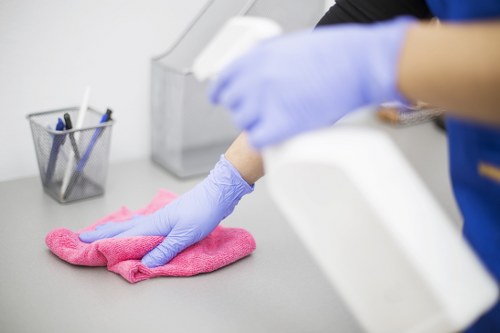 This health and safety policy sets out the standards and responsibilities that support safe, careful, and professional carpet cleaning work. It applies to all cleaning activities, including domestic, commercial, and specialist carpet care. The aim is to reduce risk, protect workers and occupants, and maintain a reliable level of service through safe working practices. A strong safety approach helps carpet cleaners N5 deliver quality results while preventing avoidable incidents.
All work should be planned with attention to the condition of the property, the type of flooring, the cleaning methods to be used, and the presence of any hazards. Before starting any task, cleaners must assess the area and choose suitable equipment, chemicals, and procedures. This includes considering slip risks, electrical safety, ventilation, and the handling of water and cleaning agents. Prevention is always preferred over reaction, and careful preparation is a core part of this policy.
General Safety Principles
Every member of staff is expected to work in a manner that protects themselves, clients, visitors, and anyone else who may be affected by the cleaning activity. The following points are essential:
- Follow manufacturer instructions for all machinery and products.
- Keep work areas clear of trip hazards such as hoses, cables, and furniture.
- Use appropriate personal protective equipment where needed.
- Report spills, damage, defects, and accidents immediately.
Safe carpet cleaning depends on consistent standards and awareness. Cleaners must understand the limitations of the materials they are treating, especially when dealing with delicate fibres, stains, or moisture-sensitive flooring. Equipment should be checked before use to ensure it is clean, working properly, and fit for purpose. Any faulty item must be removed from service until it has been repaired or replaced. These measures support the safe operation of carpet cleaning services and help reduce the chance of injury or property damage.
Risk Assessment and Site Preparation
Risk assessment is required before each job, particularly where the layout, access, or environment presents added hazards. The cleaner should identify whether the space is occupied, whether pets or children are present, and whether there are fragile items, uneven floors, or restricted walkways. Floors should be inspected for stains, loose edges, exposed wiring, or wet patches. When necessary, warning signs should be used to alert others to the presence of slippery surfaces or ongoing work.
Preparation also includes proper ventilation and safe handling of cleaning products. Chemicals must be stored securely and used only in accordance with instructions. Concentrated solutions should be measured carefully to avoid overuse, which can create residue, damage fabrics, or cause irritation. Where possible, less hazardous products should be chosen first. This balanced approach supports a safer routine for professional carpet cleaners and helps maintain good indoor conditions during and after cleaning.
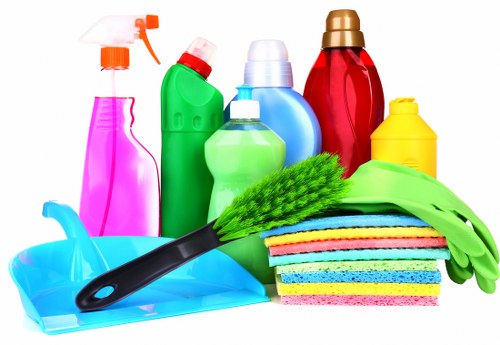 Workers must also apply safe manual handling practices. Carpet cleaning often involves moving equipment, lifting water containers, and shifting light furniture. These tasks should be carried out using correct posture and, where needed, team lifting or mechanical assistance. Heavy lifting should never be rushed. If an item is too bulky or awkward to move safely, it should be left in place or handled by an appropriate method. Protecting physical wellbeing is a key part of safe carpet stain removal work.
Use of Equipment and Electrical Safety
All electrical equipment must be visually inspected before use, and any signs of wear, frayed cables, loose plugs, or damaged casings must be taken seriously. Machines should be connected to suitable power sources and kept away from standing water whenever possible. Hands should be dry when plugging in or unplugging equipment. Operators must avoid overloading sockets and should manage cables so they do not create a hazard. Electrical safety is especially important during wet extraction and steam-based cleaning methods.
Equipment should be operated only by trained personnel who understand the controls, limitations, and maintenance needs of each machine. Cleaners should never bypass safety features or use improvised tools. Regular servicing helps ensure safe performance and extends the life of the equipment. In addition, noise, heat, and vibration should be considered during longer cleaning tasks. Good practice supports efficient and responsible carpet maintenance while reducing strain on workers.
Personal Protective Equipment should be selected according to the task. Gloves may be needed for chemical handling, eye protection for splash risks, and non-slip footwear for wet surfaces. In some situations, masks or respiratory protection may also be necessary, especially when using strong products or working in poorly ventilated rooms. PPE must be kept clean, used correctly, and replaced when worn or damaged.
 Environmental care is another important element of this policy. Wastewater, used materials, and disposable items should be handled responsibly and disposed of in line with safe working procedures. Cleaning methods should aim to minimise excessive water use and reduce unnecessary chemical waste. This approach supports both safety and sustainability. A careful method of deep carpet cleaning helps protect indoor surfaces, air quality, and the wider environment.
Incident Reporting and Emergency Response
Any accident, near miss, injury, or equipment failure must be reported promptly and recorded according to company procedures. Quick reporting helps identify patterns and prevent repetition. Staff should know what to do in emergencies, including how to stop machinery, isolate electrical supplies, and seek help if a person is injured or exposed to chemicals. First aid supplies should be available, and workers should understand the basic actions to take until further assistance arrives.
Health monitoring is also important where work is repeated over time. Constant exposure to cleaning agents, lifting, moisture, and physical effort can create strain if not properly managed. Breaks, rotation of tasks, and sensible scheduling can reduce fatigue. Workers should speak up if they notice skin irritation, breathing discomfort, back pain, or any other concern linked to their duties. Keeping staff fit for work supports reliable carpet cleaning operations and promotes long-term safety.
The policy is reviewed regularly to reflect changes in equipment, products, and working conditions. Updates should be shared with all relevant staff, and any improvements should be implemented without delay. Training, supervision, and communication remain central to maintaining safe standards. By following this policy, carpet cleaners N5 can carry out their work with care, confidence, and respect for the people and properties they serve.
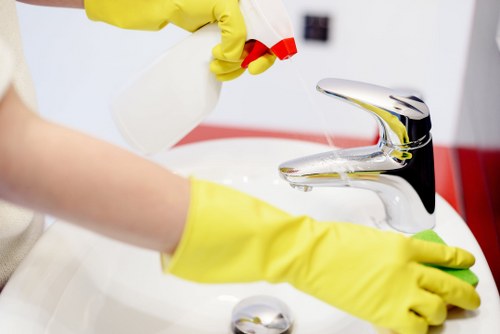 Every cleaner is responsible for following safe procedures and for contributing to a workplace culture where hazards are identified early and dealt with properly. This includes using common sense, staying alert, and asking for support when a task exceeds safe limits. A professional approach to carpet cleaning safety protects everyone involved and supports dependable service delivery.
 In conclusion, this health and safety policy provides a clear framework for safe and effective cleaning practice. It covers planning, risk assessment, equipment checks, PPE, chemical handling, reporting, and ongoing review. When these standards are followed consistently, carpet cleaners can carry out their duties efficiently while reducing risks to health, property, and the working environment.