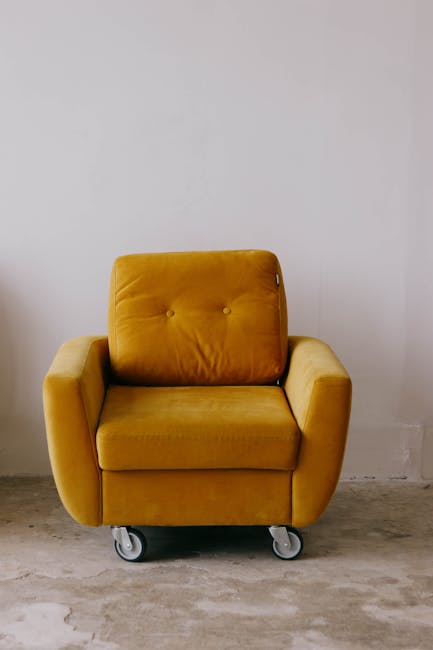
Highbury upholstery disposal rules and insider cleaning tips
If you are staring at a tired sofa, a marked dining chair, or a sagging armchair and wondering what to do next, you are not alone. Highbury upholstery disposal rules and insider cleaning tips matter because getting rid of upholstered furniture is not as simple as dragging it to the kerb and hoping for the best. In Highbury, as in much of London, bulky items need a bit of planning, and a good clean can sometimes save a perfectly usable piece from the skip altogether. This guide walks you through the practical side of disposal, the cleaning side that people often overlook, and the small judgement calls that make the whole process easier.
Truth be told, upholstery has a habit of looking worse than it really is. A fabric sofa that smells musty, a chair with one tea stain, or a footstool covered in pet hair might not need replacing at all. On the other hand, some items are too worn, contaminated, or damaged to keep. Knowing the difference saves money, time, and a fair bit of hassle.
Table of Contents
- Why Highbury upholstery disposal rules and insider cleaning tips Matters
- How Highbury upholstery disposal rules and insider cleaning tips Works
- Key Benefits and Practical Advantages
- Who This Is For and When It Makes Sense
- Step-by-Step Guidance
- Expert Tips for Better Results
- Common Mistakes to Avoid
- Tools, Resources and Recommendations
- Law, Compliance, Standards, or Best Practice
- Options, Methods, or Comparison Table
- Case Study or Real-World Example
- Practical Checklist
- Conclusion
- Frequently Asked Questions
Why Highbury upholstery disposal rules and insider cleaning tips Matters
Upholstered furniture sits in a tricky middle ground. It is bulky, often mixed-material, and sometimes only partly recyclable. That means disposal is more regulated than many people expect. A sofa is not just fabric. It can contain timber, foam, springs, synthetics, metal fixings, and sometimes treated materials that need handling with care.
For residents in Highbury, the main issue is usually convenience versus compliance. Leave the wrong item outside too early, and it can obstruct pavements or get damaged before collection. Dispose of it the wrong way, and you may create avoidable waste or run into local collection rules. There is also the cost factor. A little cleaning or repair can extend a sofa's life by months or even years, which is often the smarter move.
It also matters because upholstery affects the whole feel of a home. A clean armchair changes a room. You notice the difference when you sit down and the fabric smells fresh rather than stale. Simple, but real.
Expert summary: treat upholstered furniture as a decision, not a throwaway. First check whether it can be cleaned, repaired, rehomed, or recycled. Only then move to disposal. That order tends to save the most money and waste the least.
If the item is part of a broader home reset, it may help to pair the job with deep cleaning or house clearance so you are not tackling everything in bits and pieces.
How Highbury upholstery disposal rules and insider cleaning tips Works
The process usually has three stages: assess, clean or prepare, and then dispose or arrange collection. Sounds straightforward. In practice, the detail matters.
1) Assess the item honestly
Look at the frame, the fabric, the smell, and the level of wear. A wobbling frame or broken spring structure usually means the item is nearing the end of its life. Light staining or general dullness, though, is often just a cleaning job waiting to happen.
2) Separate cleaning needs from disposal needs
Not every issue means the item must go. Pet odour, dust, surface grime, and many food stains can usually be improved with spot treatment or professional upholstery cleaning. If the fabric is heavily damaged, crumbling, or contaminated, disposal is more realistic.
3) Choose the right disposal route
In London, bulky upholstery is commonly handled through scheduled bulky waste services, reuse channels, private collection, or household waste recycling options, depending on the condition and local rules. Highbury residents should always check the exact route that applies to their property and collection arrangements. Rules can differ for flats, managed buildings, and houses, which is where people sometimes get caught out.
4) Prepare the furniture properly
Remove cushions, loose covers, and any detachable parts. Wipe away loose dust, check for sharp staples or protruding nails, and wrap or bag anything likely to shed debris. If the item is to be reused or donated, a more thorough clean is sensible. If it is going for disposal, a quick hygienic clean still helps with handling and storage.
One more thing: upholstery holds onto smell more than people expect. A faint damp scent in a hallway this morning can become a strong one by evening if the item has been sitting in a warm room. Small detail, big annoyance.
Key Benefits and Practical Advantages
Getting the disposal and cleaning process right has a few immediate upsides, and they are not just theoretical.
- Less waste: you only discard what genuinely cannot be saved.
- Better hygiene: dirt, dust mites, pet hair, and odours are reduced before an item is moved.
- Lower stress: you avoid last-minute surprises on collection day.
- Better resale or donation value: a clean item is easier to pass on.
- Reduced risk of mess: cleaned upholstery is less likely to shed debris during handling.
- Improved home appearance: even one refreshed chair can make a room feel more together.
There is also a quiet financial advantage. A lot of people assume disposal is the only realistic route, but once you clean properly and inspect the structure, a surprising number of items are still usable. That matters if you are furnishing a flat on a tight budget or trying to avoid unnecessary replacement.
For households juggling multiple jobs, combining upholstery work with domestic cleaning or a one-off cleaning visit can make the whole place feel reset in one go. Less faff, more result.
Who This Is For and When It Makes Sense
This topic is most useful if you are a homeowner, tenant, landlord, letting agent, or anyone responsible for old furniture in Highbury. It is especially relevant if you are:
- moving out and need to clear damaged furniture
- dealing with a sofa that has seen better days
- preparing a rental property for new occupants
- sorting out inherited items after a house clearance
- trying to rehome or donate furniture before disposal
- cleaning up after a renovation or long-term tenancy
It also makes sense when you are not sure whether the item is salvageable. That uncertainty is common. One person sees a ruined chair. Another sees a frame worth saving. Often both are half right.
If the furniture is part of a bigger clear-out, you may find it easier to tackle the full property with house cleaning or support from cleaners who can manage the cleaning side while you focus on disposal decisions.
Step-by-Step Guidance
- Inspect the upholstery carefully. Check seams, legs, padding, and hidden corners. Lift cushions and look for mould, tears, or insect damage. Be honest about what you find.
- Test whether cleaning is realistic. Light staining, surface dust, and odour can often be treated. Deep structural damage usually cannot.
- Vacuum thoroughly. Use a crevice tool along seams, under cushions, and around piping. This simple step removes a surprising amount of grit and crumbs.
- Spot clean carefully. Use the gentlest method first. Dab, do not scrub. Scrubbing can spread the stain or rough up the fabric pile.
- Let it dry fully. Moisture trapped in upholstery can cause smells and, in some cases, mould. Open windows if the weather allows.
- Decide on reuse, repair, or disposal. If the item still has life in it, consider rehoming or refurbishment. If not, plan a lawful disposal route.
- Book or arrange collection. Follow the collection method that suits your property and item type. Keep it accessible and ready on the correct day or time.
- Clear the area after removal. Vacuum or clean the floor where the furniture stood. Dust tends to gather underneath. That little patch often tells the whole story.
If you are handling multiple fabric items, it may help to include sofa cleaning or rug cleaning in the same plan so the room feels balanced rather than half-finished.
Expert Tips for Better Results
Here is where a few small habits make a big difference.
Use odour as a clue, not a verdict
A stale smell does not always mean the piece is ruined. Sometimes it just needs a deep clean, better airflow, and time to dry. If the smell returns quickly after cleaning, that is a stronger sign of trapped contamination or mould.
Always test products first
Upholstery fabrics can react badly to strong cleaners. A hidden patch near the back or underside is the safest place to test. If colour transfers to your cloth, stop there.
Clean from the top down
It sounds obvious, but people forget. Start with loose dust, then move to stains, then finish with the lower sections and feet. That way you are not dragging grime onto areas you already treated.
Drying matters as much as cleaning
In my experience, rushed drying is one of the biggest reasons a job feels disappointing. The fabric may look cleaner but still feel off. A dry room, a bit of air movement, and patience usually beat heavy product use every time.
Think in layers
Surface dirt, body oils, dust, and odours often sit in different layers of the fabric. One pass rarely fixes everything. A careful vacuum, then targeted treatment, then a final refresh gives better results than going in hard on the first try.
And yes, some stains are stubborn little blighters. That is just upholstery for you.
Common Mistakes to Avoid
- Putting furniture out too early: this can block entrances or lead to damage before collection.
- Using too much water: soaking fabric can create lingering odours and drying problems.
- Scrubbing stains aggressively: this often makes the mark worse.
- Ignoring hidden damage: broken frames, loose staples, and mould all matter.
- Assuming every item is waste: some pieces can be cleaned, repaired, or reused.
- Forgetting building rules: flats and managed blocks may have specific collection arrangements.
- Skipping protective handling: old upholstery can be dusty and awkward to move.
There is a more subtle mistake too: treating cleaning and disposal as separate problems when they are really connected. A quick clean can make handling easier, reduce smells in storage, and help you decide whether the item is worth keeping.
Tools, Resources and Recommendations
You do not need a huge kit to deal with upholstery properly, but a few basics help a lot.
- a vacuum cleaner with a crevice tool
- microfibre cloths
- soft brushes for loose debris
- a mild upholstery-safe cleaner
- clean towels for blotting
- gloves for handling older or dusty items
- bags or wrapping for loose parts and cushions
On the service side, it is worth comparing whether you need one-off refresh work, full-home support, or a specialist cleaning visit. For example, a badly marked sofa might benefit from a professional cleaning company rather than a DIY attempt if the fabric is delicate or expensive. For wider refreshes, home cleaners or deep cleaning can help bring the rest of the room back into step.
If the item is headed out during a full property clear-down, pairing the job with end of tenancy cleaning or after builders cleaning can be a sensible move. Mess tends to travel, doesn't it?
Law, Compliance, Standards, or Best Practice
Without pretending this is legal advice, there are some sensible UK expectations to keep in mind. Upholstered furniture should be disposed of in a way that avoids fly-tipping, obstruction, and unnecessary waste. If an item contains contamination, mould, pests, or hazardous material concerns, it needs more careful handling than a normal household item.
Local collection rules in London can vary, especially for flats, shared entrances, and managed buildings. That means timing and placement matter. Do not assume the same rules apply to every property. If you are in a rented home, check who is responsible for disposal and whether the tenancy agreement says anything specific about leaving bulky waste behind.
Best practice usually looks like this:
- keep pavements and shared access routes clear
- separate reusable items from genuine waste
- do not leave upholstered items exposed for long periods
- bag or wrap loose, dusty, or detachable parts
- follow the collection instructions for your property and area
Recycling is also part of the picture. Upholstery is not always easy to recycle fully, but responsible handling improves the chance that at least some components can be recovered. If sustainability matters to you, it is worth reading the company's approach to recycling and sustainability before booking any disposal-related work.
Options, Methods, or Comparison Table
Choosing the right route depends on the item's condition, your timeline, and how much effort you want to put in.
| Option | Best for | Pros | Trade-offs |
|---|---|---|---|
| DIY clean and keep | Light stains, odours, decent frame | Lowest cost, preserves furniture | Requires time, patience, and care |
| Professional upholstery cleaning | Delicate fabrics, stubborn marks, larger pieces | Better results, less risk of damage | Costs more than doing it yourself |
| Repair or reupholster | Good-quality frame, worn surface | Extends lifespan, better finish | Not always cost-effective |
| Reuse or donate | Usable furniture in decent condition | Reduces waste, helps others | May need transport and cleaning first |
| Bulky waste disposal | Damaged or end-of-life items | Clear, practical final step | Must follow local collection rules |
In many cases, the best option is not one single route but a sequence: clean, assess, then decide. That usually gives you a clearer answer and less regret later.
Case Study or Real-World Example
A fairly common Highbury scenario goes like this: a family is preparing to move out of a flat after several years. The sofa looks tired, one armchair smells a little damp after being stored near a window, and there is an old footstool with visible wear. At first glance, everything feels like waste.
They start with the sofa. A careful vacuum lifts out dust and crumbs from years of living room use. A small stain near the seat cushion fades after a gentle spot clean. The damp smell in the armchair turns out to be surface odour rather than mould, so a deeper dry-out and fabric refresh helps. The footstool, however, has a broken internal base and is no longer worth saving.
That means the end result is mixed: two items are cleaned and kept, one is disposed of correctly. The household saves money, avoids unnecessary replacement, and the flat is easier to hand back in good shape. Not dramatic. Just sensible.
This is exactly why disposal rules and cleaning tips belong together. If they are handled separately, you miss the easiest wins.
Practical Checklist
- Inspect the upholstery for frame damage, mould, tears, and odour
- Check whether the item can realistically be cleaned or repaired
- Vacuum seams, cushions, and hidden corners
- Spot test any cleaning product on an unseen area
- Let the item dry fully before moving it
- Remove detachable cushions or loose parts
- Confirm the correct disposal method for your property type
- Keep shared paths, stairwells, and pavements clear
- Separate reusable items from true waste
- Book extra help if the room needs broader refresh work
If the checklist feels a bit much, start small. One good inspection often tells you 80 percent of what you need to know.
Conclusion
Highbury upholstery disposal rules and insider cleaning tips are really about making a calm, practical decision instead of a rushed one. Clean first where there is a chance of saving the item, dispose properly when there is not, and respect the local rules that come with bulky furniture in London. That approach protects your home, your time, and your wallet.
The nice part is that you do not have to get it perfect. You just need to be methodical. A careful inspection, a gentle clean, and the right disposal route will usually take you a long way. And once the old sofa is gone or refreshed, the room breathes again. You feel it straight away.
Get a free quote today and see how much you can save.
Frequently Asked Questions
What are Highbury upholstery disposal rules in practice?
In practice, they mean you should not leave upholstered furniture out without checking the correct collection method for your property. Bulky items often need a booked collection, proper placement, and careful timing.
Can I put an old sofa on the pavement for collection?
Not unless the collection has been arranged and your property rules allow it. In many cases, leaving furniture out too early can cause obstruction or damage.
Is it worth cleaning upholstery before disposal?
Yes, often it is. Cleaning can reduce odour, make handling easier, and help you decide whether the piece can be reused, donated, or repaired instead of thrown away.
How do I know if a piece of upholstery should be kept or binned?
Check the frame, fabric, smell, and signs of mould or pests. If the structure is sound and the issue is mostly surface-level, cleaning may be enough.
What is the safest way to clean a fabric sofa at home?
Start with vacuuming, then spot test a mild cleaner on a hidden area. Blot stains gently and avoid soaking the fabric. Drying properly is just as important as the cleaning itself.
What should I do if my upholstery smells damp?
Air it out first, vacuum thoroughly, and check whether the smell is coming from trapped moisture or a deeper issue. If the odour returns quickly, it may need professional attention or disposal.
Can I rehome or donate upholstered furniture in Highbury?
If the piece is clean, structurally sound, and free from infestation or serious damage, rehoming may be possible. Make sure it is suitable for someone else before offering it on.
Do I need professional help for upholstery cleaning?
Not always. Small marks and light grime can often be handled at home. Larger items, delicate fabrics, or stubborn stains may justify professional upholstery cleaning.
What are the biggest mistakes people make with old upholstery?
The common ones are scrubbing stains too hard, using too much water, leaving items out too early, and not checking whether the item could be cleaned or reused first.
How long should upholstery dry after cleaning?
It depends on the fabric, airflow, and amount of moisture used. The important part is to wait until it feels fully dry, not just dry on the surface.
Can upholstery disposal rules differ for flats and houses?
Yes. Flats, managed blocks, and houses often have different access and collection arrangements. Shared entrances and bin stores can make timing and placement more important.
Where can I get broader cleaning support if I am clearing a room?
If you are doing more than just one item, broader help such as a cleaner or cleaners can be useful, especially alongside upholstery, carpet, or whole-room work.