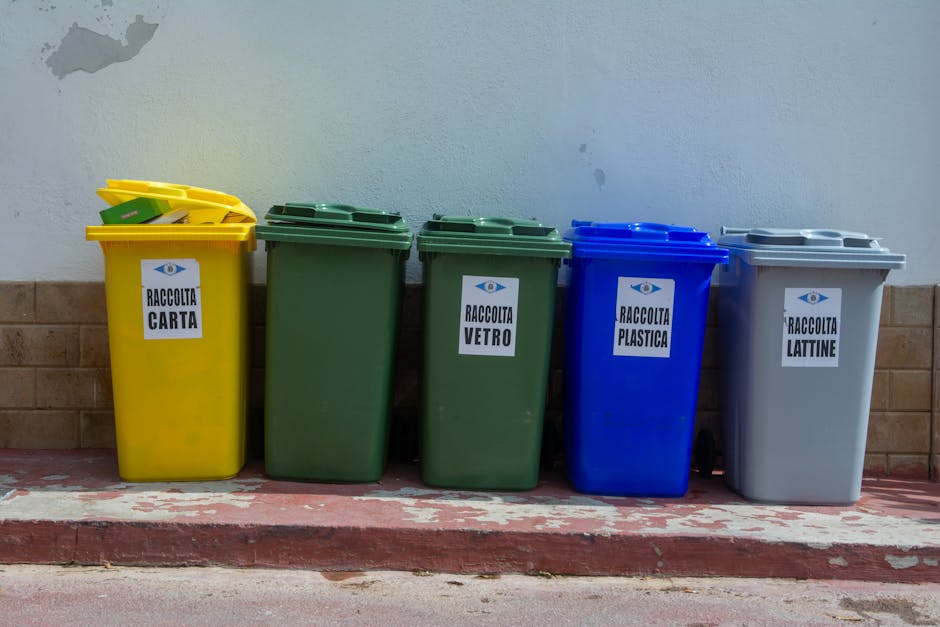
Islington Council waste rules for cleaning companies in Highbury: a practical guide for cleaners, landlords, and local teams
If you run a cleaning company in Highbury, the waste rules can feel annoyingly specific at first. One client wants the old dust sheets gone, another leaves a pile of mixed rubbish in the hallway, and suddenly you are the one expected to sort what goes where. That is exactly why understanding Islington Council waste rules for cleaning companies in Highbury matters. It is not just about avoiding awkward conversations or a messy van load at the end of the day. It is about protecting your business, keeping jobs tidy, and making sure waste is handled in a sensible, lawful way.
In practice, the big questions are usually simple: what counts as trade waste, what can be put out for collection, what needs separate handling, and how do you keep records without turning every clean into a paperwork marathon? This guide breaks it all down in plain English, with practical steps you can actually use on-site. We will also cover compliance, common errors, and the little process tweaks that save time when you are moving between flats, houses, and office jobs in Highbury.
Table of Contents
- Why Islington Council waste rules for cleaning companies in Highbury Matters
- How Islington Council waste rules for cleaning companies in Highbury Works
- Key Benefits and Practical Advantages
- Who This Is For and When It Makes Sense
- Step-by-Step Guidance
- Expert Tips for Better Results
- Common Mistakes to Avoid
- Tools, Resources and Recommendations
- Law, Compliance, Standards, or Best Practice
- Options, Methods, or Comparison Table
- Case Study or Real-World Example
- Practical Checklist
- Conclusion
- Frequently Asked Questions
Why Islington Council waste rules for cleaning companies in Highbury Matters
For a cleaning company, waste handling is not background admin. It affects how quickly you finish a job, how confidently you can quote, and whether the client trusts you to leave the place properly sorted. In Highbury, where jobs can range from compact mansion block flats to busy shared homes and commercial premises, waste can build up fast and in awkward ways. A single deep clean can produce bagged rubbish, contaminated cloths, packaging, old cleaning chemicals, food waste, and bulky items all in one go. That is a mixed bag, literally and legally.
Islington Council waste rules matter because local collection arrangements are designed to keep streets clear, reduce fly-tipping, and make sure waste does not become a nuisance. For cleaning companies, that means you need a process. Not a heroic last-minute scramble. A process. If you work casually with waste, small mistakes soon turn into bigger issues: bags left outside the wrong address, overloaded bins, items rejected by collection crews, or waste that should have gone through a different route entirely.
There is also the reputational side. A good clean can be undone in seconds if a neighbour sees bags dumped by the kerb or a client has to call you back because waste was left behind. To be fair, most people do not notice the perfect parts of a clean. They notice the bits that look careless.
For companies offering deep cleaning, end of tenancy cleaning, or after builders cleaning, waste awareness is even more important. These jobs often involve heavier debris, more packaging, and more risk of mixing ordinary rubbish with items that need careful separation. In our experience, the cleaner the waste plan, the smoother the job.
How Islington Council waste rules for cleaning companies in Highbury Works
The exact arrangements can change, so the safest approach is to treat the council's rules as something to check before each job type rather than relying on assumptions. Broadly, cleaning companies in Highbury need to think in terms of who owns the waste, what kind of waste it is, and how it is being removed.
Here is the simple version. Domestic waste from a household clean may be handled differently from trade waste created by a business clean. Bulky items like broken furniture, old appliances, or renovation debris usually need a separate solution. And liquids, chemicals, sharps, or anything contaminated can require special care. A general bin bag is not a magic fix. It never has been.
For a cleaning business, the main operational questions are:
- Is the waste ordinary household rubbish or trade waste?
- Can it go into the property's existing bins, or does it need removal off-site?
- Does anything need to be kept separate because it is hazardous, sharp, wet, or contaminated?
- Will the property's bin store, collection day, or communal system actually accept the waste?
That sounds basic, but it is the kind of detail that can quietly trip people up. A cleaner may think, "It is only a few bags," but if those bags contain mixed materials or are placed in a communal bin that is already full, the issue becomes the client's problem, the building manager's problem, and then yours.
If you work in homes, pairing waste handling with services such as domestic cleaning or one-off cleaning, it helps to set expectations at quote stage. Office and retail jobs are a bit different again, especially where your team is clearing desk waste, packaging, printer consumables, and general refuse. A separate routine for office cleaning can save a lot of faff later.
Key Benefits and Practical Advantages
Following the right waste process is not just about compliance. It makes everyday work easier. That is the honest answer. Here are the practical benefits cleaning companies notice first:
- Cleaner handovers: You leave the property looking properly finished, not half-done.
- Fewer disputes: Clients are less likely to challenge whether waste removal was included.
- Better time control: Teams spend less time deciding what to do with leftovers.
- Lower risk of complaints: No one enjoys explaining bags left beside a shared entrance at 7:30am.
- More reliable quoting: You can price disposal work more accurately.
- Improved site safety: Less clutter means fewer slips, trips, and awkward carry-outs.
There is also a trust factor. If you are inviting a cleaner or cleaning team into a property, you want them to act like professionals. Waste handling is one of those invisible signals. It says, "We know how this works."
For businesses offering specialist services like carpet cleaning, sofa cleaning, or window cleaning, the waste stream may seem light, but packaging, soiled materials, and disposable covers still need managing properly. A tidy van and a tidy disposal routine usually go hand in hand.
Who This Is For and When It Makes Sense
This topic is relevant to quite a few people, not just business owners. If you are a cleaning company in Highbury, it is directly relevant. If you manage properties, arrange tenancy cleans, or coordinate contractors, it matters too. Landlords, letting agents, office managers, facilities teams, and homeowners all benefit from understanding where responsibility starts and ends.
It makes particular sense when:
- the clean includes waste left by previous occupants
- you are handling a cluttered rental turn-around
- the job generates bulky bagged waste or mixed rubbish
- you are cleaning communal or shared areas
- the client expects rubbish to be removed as part of the service
- you want fewer surprises at the end of the job
For example, a Highbury end-of-tenancy clean often looks straightforward on paper, then suddenly you are dealing with broken hangers, food packaging, damaged household items, and a couple of bin bags that smell a bit too lived-in. Happens all the time. A sensible waste plan turns that from chaos into a routine task.
If your business also handles house cleaning, home cleaners, or office cleaners, the right rules keep your team consistent across different property types. That consistency is what clients notice, even if they do not say it out loud.
Step-by-Step Guidance
Here is a practical workflow you can adapt for most jobs in Highbury. It is not fancy, but it works.
- Assess the waste before you start. Walk the property and identify what will be left behind after cleaning. Separate general waste from anything questionable.
- Clarify responsibility. Decide whether waste removal is part of your service or remains the client's responsibility. Do this before the work begins, ideally in writing.
- Sort as you go. Keep bagged rubbish, recyclable packaging, and contaminated materials apart where possible. The fewer mixed bags you create, the better.
- Use suitable containers. Strong sacks, labelled boxes, or dedicated tubs reduce mess and make transport safer.
- Check building rules. Communal bin stores, loading bays, estate managers, and concierge teams may all have separate expectations. A quiet five-minute check can save a lot of grief.
- Remove waste through the right route. Use the property's bins only when permitted and appropriate. For trade waste or bulkier loads, arrange a proper disposal route.
- Document anything unusual. If the site has excess waste, damaged items, or contaminated materials, take note. That helps if there is later confusion.
- Do a final sweep. This is the bit people skip when they are tired. Don't. Check corners, cupboards, under sinks, and the route out of the property.
A small detail that helps: keep a "waste finish" check built into your team's close-down routine. That means the clean is not considered finished until the rubbish plan is complete. It sounds obvious. Yet, somehow, rubbish is still the thing that gets forgotten when everyone wants to get home before dark.
Expert Tips for Better Results
After years of seeing jobs go smoothly and jobs go sideways, a few habits stand out.
1. Price waste removal separately when the job can vary. A standard room clean is one thing; a post-tenancy clearance-style clean is another. If you blur the two, you either undercharge or frustrate the client later.
2. Keep a simple waste script for your team. Something like: "We can remove bagged waste if agreed in advance, but hazardous or bulky items may need a separate arrangement." Clear, calm, no drama.
3. Use photos only where it helps the handover. A before-and-after image of a waste pile can help settle misunderstandings. No need to turn everything into a photo shoot. There is enough of that already.
4. Separate wet waste from dry waste. Soaked cloths, mop water contamination, and food residue can create smell, leaks, and handling issues. One wet bag can spoil a whole load. You will notice it as soon as the van door opens, sadly.
5. Match the disposal method to the job type. A cleaning company dealing with regular domestic work will have different needs from one doing post-build or commercial cleans. The process should match the service, not the other way round.
6. Keep communication calm and specific. Clients do not usually want a lecture on waste hierarchy. They want to know what happens next, what it costs, and whether they need to do anything. Short, clear explanations work best.
Common Mistakes to Avoid
Most waste-related problems are boringly predictable, which is good news because they are easy to prevent. The most common mistakes are:
- Assuming all rubbish can go in standard bins. It cannot.
- Leaving the client to figure out disposal after the clean. That creates friction and delays.
- Mixing general waste with items that may need separate handling. This makes disposal harder and more expensive.
- Ignoring communal building rules. Shared properties often have stricter expectations than private homes.
- Forgetting to account for bulky items. A broken chair takes up a lot more space than people expect.
- Not training staff on what to do when they are unsure. Uncertainty left unmanaged becomes a mistake, usually on a Friday afternoon.
There is one more mistake worth mentioning: treating compliance like a one-time setup. Waste arrangements can change depending on the property, the season, the volume, and the type of service. A summer office clean in Highbury is not the same as a winter end-of-tenancy clearance after a long vacancy. Same street, different reality.
Tools, Resources and Recommendations
You do not need a complex system to manage cleaning waste well. In fact, simple is often better. A few practical tools make a real difference:
- Heavy-duty sacks: useful for mixed light waste and protective materials
- Colour-coded bags or labels: helpful if your team sorts waste types on the job
- Clipboards or digital checklists: good for final sweeps and handovers
- Gloves and basic spill kits: especially important where waste may be damp, sharp, or contaminated
- Van containers or totes: keep waste separated during transport
- Job notes for clients: record any special disposal arrangements before the team arrives
If your company has a broader sustainability focus, it helps to align waste handling with recycling and sustainability practices. That can include separating recyclable packaging, reducing single-use materials, and avoiding unnecessary disposal runs. Not everything needs to be "green" in a slogan sense. But a less wasteful process is usually better for everyone.
For businesses looking to present a more complete service, useful supporting pages include health and safety information, insurance and safety guidance, and clear terms and conditions. These help clients understand how waste handling, liability, and service scope are managed.
Law, Compliance, Standards, or Best Practice
When dealing with waste, the safest mindset is this: if you are creating, carrying, or arranging disposal for waste as part of your service, you should understand the duty of care that applies to it. In everyday terms, that means you should know what the waste is, handle it responsibly, and make sure it ends up in the right place. That is the broad principle. Exact obligations can depend on the waste type and the arrangement in place.
For cleaning companies, good practice usually includes:
- keeping waste separated where sensible
- avoiding contamination of recyclable materials
- using authorised disposal routes for trade waste and bulky items
- making sure staff know what to do with unknown items
- being honest with clients about what is included in the service
If the job involves anything potentially hazardous, sharp, bodily-fluid contaminated, or chemically risky, do not improvise. Pause and follow a proper process. That applies even on busy days. Especially on busy days, actually.
From a best-practice point of view, the most reliable cleaning businesses in Highbury tend to do three things well: they scope the waste early, they put the responsibility in writing, and they keep the final handover simple and clean. Those habits protect the client and the business at the same time.
Options, Methods, or Comparison Table
Not every cleaning job needs the same waste approach. Here is a simple comparison of the most common methods.
| Method | Best for | Pros | Watch-outs |
|---|---|---|---|
| Use existing household bins | Light domestic waste with permission | Quick, simple, familiar | Bins may be full or unsuitable; not for trade waste |
| Bag and remove separately | Small to medium cleaning waste | Good control, tidy handover | Needs clear client agreement and transport planning |
| Bulk disposal arrangement | Large cleans, clearances, bulky waste | Safer for bigger loads, more organised | Higher cost and more coordination |
| Special handling route | Hazardous or contaminated items | Reduces risk and keeps staff safe | Requires caution and correct classification |
As a rule of thumb, the more mixed or messy the job, the more you want a method that keeps waste separate and traceable. Simplicity is nice, but only if it is safe and allowed. Otherwise it is just a shortcut with better branding.
Case Study or Real-World Example
Imagine a two-person cleaning team in Highbury finishing an end-of-tenancy job in a first-floor flat. The place looks good: kitchen gleaming, bathroom sorted, carpets revived, all decent. Then the team finds three bin bags of mixed rubbish in the hallway, a broken bedside table, food packaging in cupboards, and a few cleaning product bottles left by the previous tenant.
Without a process, that job becomes messy very quickly. One cleaner wants to take the bags in the van. Another assumes the building's bins will do. The client wants the flat handed over by 5pm, and the lift is tiny. You can feel the friction building, can't you?
With a process, the situation is calmer. The team checks what was agreed in advance, separates the bottles from the general waste, bags the rubbish safely, logs the broken furniture as a bulky item, and confirms what will be removed and what must stay. The handover is then clean and defensible. The client knows what happened, the team knows what happened, and there are no last-minute guesses.
That is really the whole game. Waste rules are less about dramatic legal drama and more about avoiding avoidable mess. A little structure goes a long way.
Practical Checklist
Use this quick checklist before you finish a job in Highbury:
- Have we identified all waste created by the clean?
- Do we know which waste is general, bulky, recyclable, or potentially hazardous?
- Has the client agreed who is responsible for removal?
- Are we allowed to use the property's bins or communal bins?
- Have we kept wet, sharp, and contaminated items separate?
- Are bags secured and easy to carry safely?
- Have we checked the final route out of the property for leftover debris?
- Is the handover note clear about what was removed?
- Do we need to update the quote or job record for disposal work?
- Would a short photo record help if there is any question later?
If you can tick most of those off without thinking too hard, your process is probably in decent shape. If not, no panic. It just means your next job can run smoother than the last one.
Get a free quote today and see how much you can save.
Conclusion
For cleaning companies in Highbury, waste handling is one of those behind-the-scenes things that quietly shapes everything else. It affects compliance, customer satisfaction, staff safety, and how professional your business feels from the outside. The best approach is simple: understand the waste stream, agree responsibilities early, separate what needs separating, and finish every job with a proper check.
That is how you keep the work tidy and the client confident. And honestly, confidence matters. When waste is handled well, the whole clean feels more complete, more thoughtful, more trustworthy. A small thing, maybe. But not really small when you are the one carrying the bags out in the cold at the end of the day.
If you build the right routine now, you will save time, reduce stress, and avoid the awkward "we thought you were taking that" moment later on. Which, let's face it, no one enjoys.
And if your service also needs stronger back-end support, it is worth reviewing the basics too: who you are as a company, how you price work, and how you communicate standards to clients. Little things, but they stack up.
Good waste handling is one of those quiet signs of a business that takes pride in the details. That never goes out of style.
Frequently Asked Questions
What are Islington Council waste rules for cleaning companies in Highbury?
They are the local waste arrangements and expectations that affect how cleaning businesses store, separate, and dispose of waste in the area. The key point is to understand what can go in household bins, what counts as trade waste, and what needs a separate disposal route.
Can a cleaning company use a client's bins for waste in Highbury?
Sometimes, but only when it is appropriate and allowed. It depends on the type and amount of waste, the property's bin capacity, and whether the client or building rules permit it. Do not assume it is always fine.
What counts as trade waste for cleaners?
Waste created as part of your business activity can count as trade waste, especially if it is not ordinary household rubbish. That may include bagged debris from a clean, packaging, bulky waste, or items removed from a business property. If in doubt, treat it carefully and check the arrangement.
Do end-of-tenancy cleans in Highbury usually need special waste handling?
Very often, yes. End-of-tenancy jobs can produce mixed rubbish, broken items, leftover food packaging, and soiled materials. It is sensible to plan disposal before the work starts rather than leaving it to the end.
How should a cleaning company handle bulky items?
Bulky items should not be treated like regular bin waste. They normally need a separate removal plan, and they may also need to be agreed in advance with the client. If it is large, awkward, or heavy, assume it needs more than a standard sack-and-go approach.
What should cleaners do with chemicals or contaminated waste?
They should not just mix it into general rubbish. Chemical containers, contaminated cloths, and anything potentially hazardous need a more careful process. Staff should be trained to stop and check rather than guess.
Is waste removal usually included in cleaning quotes?
Not always. Many cleaners include only standard cleaning, while waste removal is handled separately or subject to limits. It is best to make this clear in the quote so the client knows exactly what is included.
What records should a cleaning company keep?
At a minimum, keep job notes about what waste was generated, what was removed, and any unusual items or arrangements. That makes handovers easier and helps if a client later queries what happened.
How can office cleaners in Highbury keep waste handling simple?
Use a routine. Separate paperwork waste from general rubbish where possible, check building bin rules, and keep a clear close-down checklist. Office jobs are usually easier when the team follows the same process every time.
What is the biggest mistake cleaning companies make with waste?
Probably assuming that all waste can be handled the same way. It cannot. Different waste types need different handling, and the small stuff often becomes the awkward stuff if no one checks first.
How does good waste handling help a cleaning business win more work?
It makes you look organised, reliable, and safe. Clients notice when a company leaves a property tidy and does not create extra problems around bins, rubbish, or disposal. That sort of professionalism gets remembered.
Should a cleaning company have a written waste policy?
Yes, that is a smart move. A short written policy or internal procedure gives staff a shared standard and helps clients understand how waste is managed. It does not need to be long. It just needs to be clear.
Where should a Highbury cleaning company start if it wants to improve compliance?
Start with the basics: review your quote wording, train staff on waste separation, check what is allowed at each property, and keep a simple job record. Once those habits are in place, the rest becomes much easier.