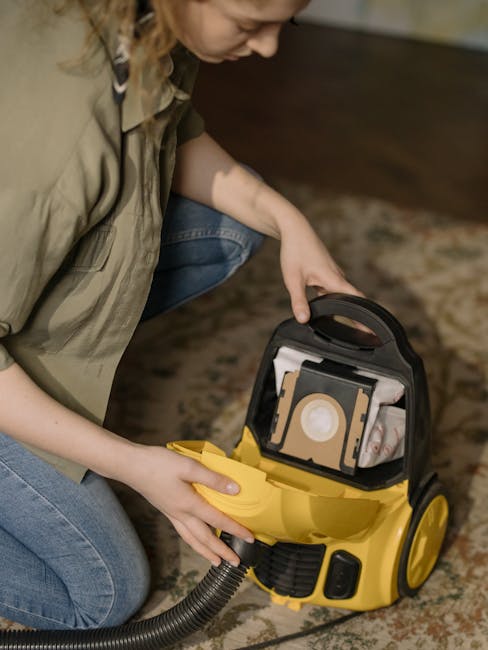
Highbury Fields carpet cleaning guide for period homes
If you live near Highbury Fields, you probably already know the charm comes with a few quirks. Sash windows, original floorboards, ornate skirting, older underlay, and carpets that have seen a bit of life. That is exactly why a Highbury Fields carpet cleaning guide for period homes needs to be practical, careful, and a little more thoughtful than a generic "spray, scrub, done" approach. Period homes can be beautiful, but the materials often ask for patience.
Truth be told, many carpet problems in these homes are not dramatic. They are the everyday sort: dust settling deeper into thicker pile, a hallway that darkens faster than you expected, or a wool carpet that looks tired after one rainy week and a few muddy shoes. This guide walks you through what actually works, what to avoid, and how to keep older carpets looking good without punishing the fibres, the backing, or the room itself.
You will find a clear step-by-step approach, a comparison of cleaning methods, a practical checklist, and some local context for Highbury living. If you are deciding between a DIY refresh and a professional clean, there is enough here to help you make a sensible choice. And if you want to explore related service information while you read, you can also look at the wider services overview or the dedicated carpet cleaning in N5 page.
Table of Contents
- Why carpet cleaning matters in Highbury Fields period homes
- How carpet cleaning works in older properties
- Key benefits and practical advantages
- Who this is for and when it makes sense
- Step-by-step guidance
- Expert tips for better results
- Common mistakes to avoid
- Tools, resources and recommendations
- Law, compliance, standards and best practice
- Options, methods and comparison table
- Case study or real-world example
- Practical checklist
- Conclusion
- Frequently asked questions
Why Highbury Fields carpet cleaning guide for period homes Matters
Period homes around Highbury Fields often combine older architecture with modern daily use. That mix sounds lovely, and it is, but it also means carpets are dealing with more than just foot traffic. Older rooms may have quirks in ventilation, uneven subfloors, original fireplaces that once added soot to the air, and layers of previous repairs that can affect how carpet cleaning behaves today.
The big issue is that older carpets rarely react well to heavy-handed treatment. A strong detergent or too much water can lift soil, yes, but it can also leave behind residue, cause shrinkage in certain natural fibres, or reveal marks you did not know were there. In a period property, one wrong move can make a floor look worse, not better. Lets face it, that is not the result anyone wants after spending a Saturday shifting furniture.
There is also the question of value. In Highbury, many homes have long-term owners, careful landlords, or buyers who are trying to preserve a home's character. A well-maintained carpet supports that feeling of care. It helps the house look settled, clean, and properly lived in rather than hurriedly refreshed. That matters whether you are preparing for guests, a sale, a tenancy handover, or simply trying to make the hallway feel less lived-in by a football team.
For broader local insight into how people live and present homes in the area, the article on Highbury residents' living experience offers useful context. You can also see how property decisions and upkeep fit into the wider area by reading about Highbury home buying fundamentals.
How Highbury Fields carpet cleaning guide for period homes Works
At its simplest, carpet cleaning works by loosening dirt, lifting it from the fibres, and removing it without damaging the pile or backing. In older homes, though, the process needs to start with identification, not equipment. What fibre is it? Wool, wool blend, synthetic, or something more delicate? How old is the carpet? Has it been cleaned before, and if so, how? These details shape everything that follows.
A careful cleaner will usually begin with inspection and testing. That might sound obvious, but it is the step people skip when they are in a rush. A discreet patch test helps check colour fastness and fibre reaction. Then comes dry soil removal, because a surprising amount of grime sits loose in the pile before water ever appears. Only after that do you move to the main clean, whether that is hot water extraction, low-moisture cleaning, dry compound methods, or a more targeted spot treatment.
For period homes, the balance is usually between cleaning power and moisture control. Thick wool carpets, for example, can respond beautifully to the right method, but they do not like soaking. Delicate woven rugs may need a gentler approach altogether. You are aiming for fresh, clean, and evenly treated - not over-wet, over-brushed, or over-scented. Funny thing, sometimes the best clean is the one that barely announces itself at all.
If you want a sense of how different services fit together, it can help to look at the broader range of domestic support available through domestic cleaning in Highbury and house cleaning in N5. Carpet care is only one piece of the puzzle, but it is often the piece people notice first.
Key Benefits and Practical Advantages
Good carpet cleaning in a period property gives you more than a prettier floor. The benefits are practical, and in older homes they tend to stack up in ways people notice over time.
- Improved appearance: older carpets often look brighter and more even once surface soil and embedded dust are removed.
- Reduced odours: this matters in homes with older subfloors, pets, or rooms that do not get much airflow in winter.
- Better indoor comfort: cleaner fibres generally feel fresher underfoot, especially in hallways and stair landings.
- Longer carpet life: routine care helps prevent grit from wearing fibres down like tiny sandpaper.
- Less patchy wear: a careful clean can even out the look of traffic areas and reduce that tired "pathway" effect.
- More confident home presentation: useful if you are hosting, letting, selling, or just trying to enjoy your rooms properly.
One overlooked advantage is timing. In a period home, a sensible clean before a damp season or after a busy social stretch can stop grime from getting embedded for months. If you have people coming and going through a front room or hallway, a regular clean keeps the whole place feeling calmer. Small thing, maybe. But it changes the feel of the house.
There is also an energy to a well-kept room. A carpet that smells fresh and looks cared for supports the atmosphere of the home itself. That may sound a bit sentimental, but it is true. The room feels more intentional. More settled.
Who This Is For and When It Makes Sense
This guide is especially useful if you live in a Victorian, Edwardian, or early 20th-century property around Highbury Fields, but the advice also applies to later homes with older-style carpets or delicate materials. It is for people who want to clean properly without taking unnecessary risks.
You may need this approach if you are:
- maintaining a family home with heavy daily foot traffic;
- preparing a property for sale or letting;
- dealing with pet hair, minor spills, or lingering odours;
- trying to restore a hallway, bedroom, or reception room carpet without harsh treatment;
- managing a flat in a converted period building with older finishes;
- refreshing a home after renovation dust, which gets everywhere, honestly;
- looking for a careful clean before guests, events, or a seasonal reset.
It also makes sense if you are trying to decide whether a professional visit is worth it. In many period homes, it is. Not because DIY is impossible, but because older carpets can be surprisingly unforgiving. If you are already weighing up home maintenance and investment priorities, the local perspective in Highbury home investments: a how-to may help you think about upkeep as part of value protection rather than just routine cleaning.
And if your priorities are seasonal, that is normal too. Some people wait until late autumn, others tackle the carpets after spring cleaning when the light is better and open windows make the air feel less heavy. Either is fine. The key is not waiting until the stains have become part of the decor.
Step-by-Step Guidance
Here is a practical process you can follow for period home carpet care. It is deliberately cautious, because older fibres and older rooms reward patience.
1. Identify the carpet and the room conditions
Start with the basics. Check whether the carpet is wool, synthetic, blended, or a natural-fibre rug. Note the room type too. A hallway in a Highbury terrace will usually suffer different wear from a quiet upstairs bedroom. Also look at ventilation, humidity, and whether the carpet sits over original floorboards or newer underlay.
2. Test a small area first
Always test any product or method in a low-visibility area. That could be behind a door, inside a wardrobe edge, or under a sofa. Watch for dye transfer, texture change, or a slight stiffening once dry. If you spot anything odd, stop. That little pause can save a lot of grief later.
3. Remove loose debris thoroughly
Vacuum slowly and methodically. Go in more than one direction if the pile is dense. In older carpets, dust tends to settle deep and then hang on for dear life. Use a crevice tool on edges, along skirting, and under furniture where possible. It is not glamorous work. But it matters.
4. Treat spots before deep cleaning
Tackle individual marks before the full clean. Blot spills rather than rubbing them, and use a fibre-appropriate spotter. Tea, wine, muddy shoe prints, and pet accidents all behave differently. The trick is to remove the contamination without spreading it wider. Simple rule: dab, do not scrub.
5. Choose the right cleaning method
For many period homes, the best option is a method with controlled moisture and careful rinsing. That may be hot water extraction if the carpet suits it, or a low-moisture process if the fibre is sensitive. Dry cleaning methods can be useful for very delicate or older carpets, though they are not perfect for every situation.
6. Dry properly and evenly
Drying is where a lot of problems begin. Keep air moving if you can, but avoid blasting heat directly onto one area. Open windows when weather allows, use fans sensibly, and make sure furniture does not sit back too soon on damp pile. A carpet should feel properly dry before it is put back under heavy use.
7. Finish with protection and maintenance
Once clean, a carpet will stay looking better if you reduce tracked-in soil. Entry mats, regular vacuuming, and prompt spill response all help. In a busy Highbury household, that might sound impossible on a hectic weekday, but even small routines make a difference.
If you need a broader understanding of the company behind the service and how work is organised, the page on Structure: a tradition of excellence gives some useful background. Trust matters when someone is working inside your home, especially one with older finishes.
Expert Tips for Better Results
These are the details that often separate a decent clean from a genuinely good one.
- Vacuum more often than you think you need to. In older homes, fine dust and grit drift in from the street, hallways, fireplaces, and shoes.
- Use minimal product on stains. Too much solution can leave residue that attracts soil again.
- Watch for wicking. A stain can reappear as the carpet dries because soil rises from the backing. It is annoying, yes, but common.
- Avoid over-wetting wool. Wool is resilient, but it still dislikes being soaked. That can lead to distortion or a musty smell.
- Move furniture with care. Older skirting and fragile legs can mark floors more easily than people expect.
- Work room by room. Trying to clean the whole property in one go often leads to uneven drying and rushed finishing.
- Ventilate, then ventilate again. Especially in older buildings where air can feel a bit trapped after rain.
A useful local habit is to clean a hallway or main reception room first, then evaluate how the rest of the home handles moisture and drying. Period houses often behave differently from room to room. One upstairs room can dry beautifully while the front room by the street stays cool and damp. Odd, but common.
If you prefer a greener approach, take a look at the company's eco-friendly cleaning page. It is a good reminder that effective cleaning and lower-impact methods do not have to be enemies.
Common Mistakes to Avoid
This section saves people money, time, and a fair bit of frustration.
1. Using a one-size-fits-all product.
Older carpets are not all the same, and neither are stains. A generic cleaner can work against the fibre rather than for it.
2. Scrubbing a stain aggressively.
That tends to distort the pile and spread the mark. Blotting is slower, but better.
3. Cleaning too quickly after a spill.
Speed matters, but panic often makes a small problem bigger. Let the area settle, then treat it properly.
4. Over-wetting the carpet.
This is one of the easiest ways to create drying issues, backing damage, or a lingering smell in older rooms.
5. Ignoring the underlay or subfloor.
In period homes, moisture can travel into places you cannot see. If a carpet has been wet too heavily in the past, there may already be a hidden issue.
6. Putting furniture back too soon.
Patience again. The carpet may feel mostly dry, but pressure marks can still form under heavy items.
7. Assuming "older" means "fragile beyond cleaning."
Not true. Many period carpets clean very well when handled correctly. The key is method, not fear.
And a small one, but worth saying: don't confuse a strong smell with a strong result. A heavily fragranced product can make a room smell "clean" while leaving residue behind. Not ideal. Not at all.
Tools, Resources and Recommendations
For a careful clean in a period home, you do not need an overcomplicated toolkit. You need the right basics, used sensibly.
- Quality vacuum cleaner with adjustable settings and proper edge tools.
- Microfibre cloths for blotting and gentle spot work.
- Carpet-safe stain treatment suited to the fibre type.
- Soft brush for light agitation only, where appropriate.
- Fans or controlled airflow to support drying.
- White towels so you can see what is being lifted from the carpet.
- Furniture protectors for heavier items after cleaning.
When you are choosing a service provider, look for clarity rather than grand promises. A decent company should explain the method, discuss fibre type, and outline what happens if a carpet is delicate or heavily soiled. If pricing matters, which it usually does, the pricing and quotes page is the sensible place to start. You should know what is included before anyone arrives with a machine and an optimistic smile.
If you want reassurance on safety and handling, the pages on insurance and safety and health and safety policy are worth checking. It is not glamorous reading, fair enough, but it tells you a lot about how seriously a company treats work in your home.
Law, Compliance, Standards and Best Practice
For most homeowners, carpet cleaning is not heavily regulated in the way some trades are, but there are still important expectations around safety, responsible chemical use, and fair service delivery. If you are hiring a cleaner, especially for a period home with delicate interiors, the basics matter: clear communication, appropriate products, safe working methods, and respect for the property.
Best practice usually means:
- checking materials before treatment;
- using products according to manufacturer guidance;
- avoiding unnecessary moisture near sensitive floors or finishes;
- protecting occupants, pets, and furnishings during the work;
- being honest about what stains can and cannot be removed;
- following reasonable environmental and disposal practices.
If the work involves access arrangements, payment handling, or service terms, those should also be transparent. You can review the relevant pages on terms and conditions and payment and security for a sense of how a professional service should be framed. None of this is about red tape for the sake of it. It is about avoiding surprises.
One more point: in older homes, especially converted flats, it is sensible to think about neighbours and shared access. Keep noise and drying equipment under control, and make sure common areas stay tidy. It is a small courtesy, but in London those things count.
Options, Methods, and Comparison Table
Choosing the right cleaning method depends on fibre type, soil level, and how much moisture the carpet can tolerate. Here is a simple comparison.
| Method | Best for | Pros | Watch-outs |
|---|---|---|---|
| Hot water extraction | Synthetic carpets, some sturdy wool blends | Deep clean, strong soil removal, good for traffic lanes | Can over-wet delicate carpets if not controlled properly |
| Low-moisture cleaning | Periodic refreshes, more sensitive carpets | Faster drying, less risk of saturation | May not remove deep contamination as aggressively |
| Dry compound cleaning | Very delicate or moisture-sensitive carpets | Minimal water, useful in some older properties | Not always ideal for heavy staining or embedded grime |
| Spot treatment only | Small spills and light maintenance | Quick, targeted, low disruption | Not a substitute for full cleaning in busy rooms |
In practice, the best choice is often a hybrid. For example, a hallway might need deep cleaning, while a bedroom carpet only needs a light refresh and spot treatment. That is normal, and actually smarter than treating every room the same. Homes are not identical boxes, and carpets definitely are not.
If your household includes pets, visitors, or a busy routine, you may also want to think about upholstery at the same time. Soft furnishings collect dust and odours in a similar way, which is why the upholstery cleaning N5 service can be a practical add-on, especially in sitting rooms and reception spaces.
Case Study or Real-World Example
Here is a realistic example from the sort of situation many Highbury households face.
A couple in a Victorian terrace near Highbury Fields had a stair runner and a front-room wool carpet that looked dull rather than visibly dirty. The carpet was not stained badly, but it had that lived-in grey cast that happens slowly, so you stop noticing it. They were considering replacing it, which would have been expensive and, to be honest, probably unnecessary.
The first step was a fibre check and a careful patch test. The cleaner then vacuumed thoroughly, pre-treated a few traffic marks, and used a moisture-controlled method rather than a soak-heavy approach. The trickiest part was drying: the front room stayed cooler than expected because the windows faced a shaded side of the building. So the drying plan had to be adjusted with airflow and time, not just "wait an hour and hope".
The result was not magical, but it was very good. The runner looked brighter, the hallway smelled less stale, and the carpet's texture came back enough that the room felt lighter. Not brand new. Better than new in some ways, because the character was still there. That is often the goal in period homes: restore, don't erase.
If you are new to the area and trying to understand how local homes are lived in and maintained, experience life at a slower pace in Highbury London gives a nice feel for the neighbourhood rhythm. It sounds unrelated, maybe, but it helps explain why thoughtful home care matters here.
Practical Checklist
Use this before and after cleaning to keep things simple.
- Identify the carpet fibre and age.
- Test any product in a hidden area.
- Vacuum thoroughly, including edges and corners.
- Pre-treat stains instead of scrubbing them.
- Choose a method suited to delicate or older materials.
- Keep moisture under control.
- Allow full drying before heavy use.
- Move furniture back only when the carpet is properly dry.
- Use entrance mats and regular vacuuming to maintain the result.
- Ask for clear aftercare advice if using a professional service.
Quick expert summary: the safest carpet cleaning approach for most period homes is measured, fibre-aware, and a bit patient. If a method feels rushed, it usually is. If it feels careful and slightly boring, that is often a good sign.
Conclusion
A period home near Highbury Fields deserves carpet care that respects the materials, the layout, and the way people actually live in the space. The best results usually come from a calm process: identify the fibre, test first, clean with control, and let drying happen properly. That approach protects the carpet, but it also protects the feel of the home.
Whether you are dealing with a hallway that sees muddy shoes, a sitting room carpet that has faded into the background, or a property you want to present at its best, the key is to avoid shortcuts. Older homes reward attention. They really do. And when the carpet looks clean without looking battered, the whole room settles into place again.
If you are ready to take the next step, compare your options, review the service pages, and choose the approach that fits your carpet rather than forcing the carpet to fit the method.
Get a free quote today and see how much you can save.
A well-kept carpet does more than tidy a room. It quietly keeps the home feeling cared for, which is often what people remember most.
Frequently Asked Questions
What is the safest carpet cleaning method for a period home?
The safest method depends on the fibre, age, and condition of the carpet. For many period homes, a moisture-controlled clean is the most sensible starting point, especially for wool or older fitted carpets. A patch test should always come first.
Can you clean old wool carpets without damaging them?
Yes, in many cases. Wool carpets can be cleaned successfully if the method is gentle, the product is suitable, and the drying is managed properly. Over-wetting is the main thing to avoid.
How often should carpets in Highbury period homes be cleaned?
That depends on foot traffic, pets, children, and whether the carpet sits in a hallway or quiet bedroom. Busy areas usually need more frequent attention than spare rooms. A regular vacuuming routine helps extend the time between deeper cleans.
Will carpet cleaning remove old stains completely?
Not always. Some stains settle deeply or change the dye in the fibres, which means they can improve but not disappear fully. A good cleaner should explain that clearly rather than promising miracles.
Is steam cleaning suitable for older carpets?
Sometimes, but not always. Steam or hot water extraction can work very well on sturdy carpets, yet it may be too wet for more delicate or aged fibres. The carpet material and backing must be checked first.
How long does a carpet take to dry after cleaning?
Drying time varies by method, room ventilation, carpet thickness, and weather. A low-moisture clean dries faster than a wetter process. In older homes, cooler rooms and limited airflow can slow things down.
Can carpet cleaning help with musty smells in older houses?
Yes, often. Musty smells can come from trapped dust, old spills, or poor ventilation. Cleaning can reduce the smell, but if there is a deeper damp issue in the room, that should be addressed separately.
Should I move furniture before the cleaners arrive?
It helps if smaller items are moved, but you should check what the service expects. Heavy furniture often needs careful handling and may be best left in place until the cleaner advises otherwise. In period homes, protecting legs and floors matters.
What if my carpet has faded patches or wear marks?
Cleaning can lift soil and make the wear pattern less obvious, but it cannot reverse fibre loss or fading caused by sunlight and age. Sometimes the improvement is visual rather than restorative, and that is still worthwhile.
Is eco-friendly carpet cleaning effective in period properties?
Yes, it can be. Eco-friendly does not have to mean weak. The key is choosing products and methods that suit the carpet and still remove soil effectively. The company's eco-friendly cleaning information is a helpful starting point.
How do I know if a carpet cleaner is trustworthy?
Look for clear explanations, sensible questions about the carpet type, and straightforward information about safety, pricing, and aftercare. A trustworthy cleaner will not rush the conversation. They will want to understand the room first, which is exactly what you want.
What should I ask before booking carpet cleaning in N5?
Ask which method they use, whether they carry insurance, how they handle delicate fibres, what drying time to expect, and what is included in the quote. If you are comparing providers, the pricing and quotes page can help frame those questions properly.